Cyclosporiasis Is Sweeping the Nation: What You Need to Know to Protect Your Gut

One minute we are being told to eat more fresh fruits and vegetables. The next minute the headlines are warning us about a parasite linked to salads.
It can feel confusing. And honestly? It can feel a little scary.
As someone who spends every day helping patients optimize their gut health, I want to separate fear from facts. This outbreak deserves your attention. It does not deserve your panic.
But it does deserve your respect, because what this parasite does to your body goes deeper than a bad stomach day, and how you recover matters just as much as whether you recover.
Let's talk about what is really happening, how to protect yourself, and why the aftermath of this infection is the part most people are not talking about.
So What Exactly Is Cyclosporiasis?
Cyclosporiasis is a gastrointestinal illness caused by a microscopic parasite called Cyclospora cayetanensis. Not a virus. Not bacteria. A single-celled parasite that sets up shop in the lining of your small intestine after you consume contaminated food or water.
What makes this infection particularly frustrating is the timeline. Symptoms typically appear about a week after exposure, but the window can stretch from two days to over two weeks. By the time you feel sick, you may have zero recollection of what you ate that caused it.
Here is one thing that may offer some peace of mind: cyclosporiasis does not spread from person to person. You are not catching this from a coworker, a family member, or someone at the gym. The source is always something you consumed.
The 2026 Outbreak: This Is Not a Normal Summer
Let me give you the real scope of what is happening right now.
As of mid-July 2026, the CDC has confirmed well over 1,600 laboratory-confirmed cases across dozens of states since May 1, and the number keeps climbing. But the true count is far higher. When you factor in probable cases and state-level reporting, the national total exceeds 7,000. Michigan alone has documented over 3,700 cases. (Note: outbreak numbers are changing rapidly. For the most current data, visit the CDC's cyclosporiasis surveillance page.)
For perspective, only 249 cases had been reported nationally at this same point last year.
Here in Florida, the Department of Health has confirmed at least 60 cases so far this year, with 42 of those reported in June alone. HCA Florida Brandon Hospital has reported cases right here in Hillsborough County.
This is not a faraway headline. This is local.
Federal investigators are currently examining several clusters, including a multistate outbreak that spans multiple regions of the country. Michigan health officials have identified lettuce and salad greens as a possible source, though no specific grower, supplier, or produce type has been conclusively confirmed. Previous U.S. outbreaks have been linked to bagged salad mixes, raspberries, fresh basil, fresh cilantro, snow peas, and imported leafy greens.
What Does Cyclosporiasis Actually Feel Like?
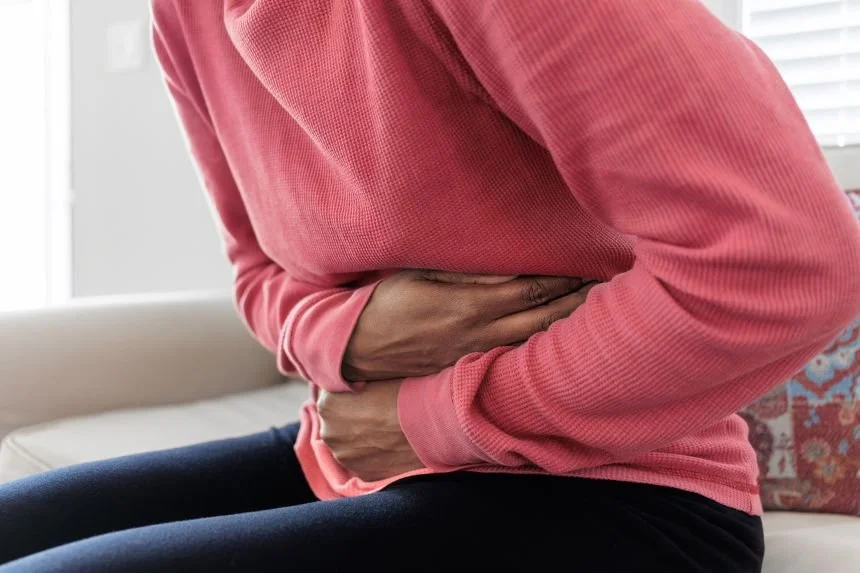
The hallmark symptom is watery diarrhea that can be sudden, frequent, and severe. Many people describe it as explosive, and it can persist for weeks if left untreated.
But the symptom picture goes well beyond the bathroom.
Common symptoms include frequent watery diarrhea (sometimes lasting weeks), loss of appetite and unintentional weight loss, abdominal cramping and bloating, nausea and occasional vomiting, fatigue and body aches, and low-grade fever.
One of the most distinctive and frustrating features of untreated cyclosporiasis is its relapsing-remitting pattern. You start to feel better. You think it is passing. Then it comes back with full intensity. That cycle can continue for a month or longer without proper treatment.
For anyone who is immunocompromised or managing an autoimmune condition, the illness can be more prolonged and more severe, which makes early diagnosis critical.
Wondering If It Is More Than Just "Food Poisoning"?
One thing I see often is patients assuming they will just wait it out.
Sometimes that is a reasonable approach. Your body is resilient. But other times, ongoing diarrhea, persistent fatigue, unexplained weight loss, or bloating that will not quit are signs that something needs to be evaluated, not ignored.
At Live In Vitality Wellness Center, we help patients get to the root of persistent gastrointestinal symptoms every day. That includes ordering the appropriate stool testing when clinically indicated, assessing for dehydration and nutrient deficiencies, identifying whether you are dealing with Cyclospora, another gastrointestinal infection, or something else entirely, and creating a recovery plan that actually addresses what the infection did to your gut, not just the infection itself.
If your body is telling you something is not right, do not ignore it. Persistent symptoms deserve answers.
What Happens If You Ignore It?
I am not here to scare you. I am here to keep it real with you.
Most healthy adults do recover with treatment. But untreated cyclosporiasis can lead to weeks of persistent diarrhea, dehydration and electrolyte imbalances, unintended weight loss, nutritional deficiencies from malabsorption, prolonged disruption of your gut microbiome, and in some cases, post-infectious irritable bowel syndrome (PI-IBS).
Your body is not designed to just "push through" a parasitic infection for weeks on end. Every day that infection goes untreated is another day your intestinal lining is taking damage, your nutrient absorption is compromised, and your beneficial gut bacteria are being disrupted.
You would not ignore a flat tire and keep driving. Do not ignore your gut telling you something is wrong.
How Is Cyclosporiasis Diagnosed and Treated?
This is an important point, because routine stool testing does not always catch it.
Standard ova and parasite (O&P) examinations may not reliably detect Cyclospora. If you or your provider suspects this infection, you need to specifically request Cyclospora testing. Molecular (PCR-based) diagnostic testing, when available, significantly improves detection accuracy.
The standard treatment is a 7 to 10-day course of trimethoprim-sulfamethoxazole (TMP-SMX), an antibiotic combination sold under brand names like Bactrim, Septra, or Cotrim. Most people begin to notice improvement within a few days of starting treatment. For patients with sulfa allergies, alternative options such as nitazoxanide or ciprofloxacin may be considered.
Hydration is critical throughout treatment. Fluid loss, electrolyte depletion, and nutrient malabsorption are real risks during active infection, especially if diarrhea has been frequent or prolonged.

The Part Most People Are Not Talking About: What This Parasite Does to Your Gut Long-Term
Here is where I want to take this conversation beyond the headlines.
Cyclospora physically damages the lining of your small intestine. This is where the vast majority of your nutrient absorption takes place. When that lining is compromised, you are not just dealing with diarrhea. You are dealing with the downstream effects of malabsorption, including depleted vitamins and minerals, impaired immune function, disrupted gut flora, and a weakened intestinal barrier.
This is one example of how increased intestinal permeability can develop after significant intestinal inflammation. You may have heard this referred to as "leaky gut." Research suggests that when tight junctions between intestinal cells are compromised, substances that are normally contained within the gut may interact more readily with the immune system, potentially triggering inflammatory responses throughout the body.
And here is the part that really matters: if the infection is treated with antibiotics (which it should be), there is an additional layer of disruption. TMP-SMX does not selectively target Cyclospora. It affects your beneficial gut bacteria too. Research shows the gut microbiome can take weeks to months to recover after antibiotic exposure, and for some people, certain bacterial populations may not fully return without intentional support.
Taking the antibiotic is the right call. But stopping there? That is where most people sell themselves short.
Recovery Beyond the Prescription: A Functional Medicine Approach
Finishing your antibiotic course is step one. It is not the finish line.
If you or someone you love has been affected by cyclosporiasis, here is a framework for what real gut recovery looks like:
Stabilize and Replenish. During and immediately after treatment, the priority is hydration, electrolyte repletion, and gentle nutrition. Focus on easy-to-digest, nutrient-dense foods. Bone broth, cooked vegetables, well-prepared proteins, and healthy fats are all supportive. This is not the time for raw salads, heavily processed foods, excess sugar, or alcohol. Your gut is in active repair mode. Treat it accordingly.
Rebuild the Microbiome. After antibiotics, your beneficial gut bacteria need intentional restoration. A high-quality, multi-strain probiotic can help, along with prebiotic-rich foods like cooked onions, garlic, asparagus, and resistant starch from cooled potatoes or rice to feed the good bacteria you are reintroducing. This is not the time for guessing or grabbing whatever is on the shelf at the store. Work with a provider who understands your history and can guide supplementation based on your individual needs.
Repair the Intestinal Lining. Targeted gut-repair nutrients can support intestinal barrier integrity. Depending on your medical history and nutritional status, some patients may benefit from nutrients such as L-glutamine (the primary fuel source for intestinal cells), zinc carnosine, omega-3 fatty acids, and vitamin D. These are not one-size-fits-all, and dosing matters. If you have underlying conditions like autoimmune disease, MTHFR variants, or a history of gut issues, your repair protocol should be tailored, not templated.
Monitor and Reassess. Recovery from a parasitic gut infection is not always linear. If symptoms persist, recur, or new digestive issues emerge after treatment, further evaluation is warranted. Post-infectious IBS is well-documented, and catching it early gives you a much better chance of resolving it before it becomes a chronic pattern.
This is exactly the kind of work we do at Live In Vitality. Whether you need a same-day sick visit for persistent diarrhea, diagnostic stool testing when clinically appropriate, a primary care evaluation, or a comprehensive Functional Medicine Gut Health Assessment after you have recovered, we meet you where you are. Our goal is not only to identify the cause of your symptoms but to help restore your digestive health and overall well-being. Because the goal is never just to get rid of the infection. The goal is to come back stronger than you were before it happened.
How to Protect Yourself Right Now
While the source of this outbreak is still under investigation, the prevention strategies are practical and worth implementing today:
Wash all fresh produce thoroughly under clean running water before eating, cutting, or cooking, including items labeled "pre-washed." Yes, even the ones that say they are ready to eat.
Cook your greens when possible. Heating food to 158 degrees Fahrenheit or higher kills Cyclospora. During an active outbreak, cooking your vegetables is not an overreaction. It is a smart, protective choice.
Be mindful of raw salads and uncooked herbs like basil and cilantro, which have been linked to previous outbreaks.
Practice solid food hygiene. Wash your hands with soap and water before preparing or eating food.
Stay informed. If you develop persistent or watery diarrhea lasting more than a few days, do not wait. See your healthcare provider and specifically request Cyclospora testing.
One important note: chemical sanitizers and produce washes do not reliably eliminate Cyclospora. Thorough rinsing under running water helps reduce risk but does not guarantee complete removal. Cooking remains the most effective method.
A practical grocery tip: If there is an active outbreak involving a specific produce item, do not panic and stop eating vegetables altogether. Follow public health advisories, choose alternatives when appropriate, and consider cooked vegetables until more information becomes available. The goal is informed choices, not fear-based restrictions.
When to Seek Immediate Medical Care
Most cases of cyclosporiasis are uncomfortable but manageable with treatment. However, you should seek medical attention right away if you experience signs of severe dehydration such as dizziness, confusion, or very little urine output, bloody diarrhea, high fever, severe abdominal pain, or symptoms lasting several days with an inability to keep fluids down. These are signs that your body needs more than rest and fluids. Do not wait.

Frequently Asked Questions
Can you get Cyclospora more than once? Yes. A previous infection does not provide lasting immunity. You can be reinfected if you consume contaminated food or water again.
Does washing lettuce remove Cyclospora? Washing fresh produce under clean running water reduces risk, but it does not guarantee complete removal of the parasite. Cooking is the most reliable way to eliminate Cyclospora.
Is Cyclospora contagious? No. Cyclosporiasis does not spread directly from person to person. It is acquired by consuming contaminated food or water.
How long does Cyclospora last? Without treatment, symptoms can persist for weeks and often follow a relapsing-remitting pattern where you feel better and then get worse again. With appropriate antibiotic treatment, most people begin improving within days.
Can Cyclospora cause long-term digestive problems? It can. The parasite damages the small intestinal lining, and post-infectious irritable bowel syndrome (PI-IBS) is a known complication. This is why recovery support after treatment is so important.
Should I stop eating salads during the outbreak? You do not need to eliminate salads entirely. However, during an active outbreak, it is wise to wash all produce thoroughly, consider cooking leafy greens, and be especially cautious with items like bagged salad mixes, basil, and cilantro that have been linked to past outbreaks.
At Live In Vitality, We Believe Healing Does Not Stop When Symptoms Do
Eliminating the infection is important.
But restoring your gut. Rebuilding your microbiome. Reducing inflammation. Supporting your immune system. Helping you feel like yourself again.
That is where the real healing begins.
Your gut is more than your digestive system. It influences your immune function, your energy, your metabolism, your nutrient absorption, and your overall health. Taking care of it is one of the best investments you can make in your long-term vitality.
Whether you are recovering from an infection, struggling with ongoing digestive symptoms, or you are simply ready to stop guessing and start understanding what is happening inside your body, our team is here for you.
Because at Live In Vitality, we do not just treat illness.
We help you Feel Better. Age Well. Live In Vitality.
Live In Vitality Wellness Center 646 E Bloomingdale Ave, Brandon, FL 33511 Phone: 813-419-7911 www.liveinvitality.net
This blog is intended for educational purposes only and does not constitute medical advice. If you are experiencing symptoms of cyclosporiasis, please contact your healthcare provider for personalized evaluation and treatment.